
University of Social Welfare and Rehabilitation Sciences the Ministry of Health’s intellectual arm in disaster risk management The necessity of preventing overlap of duties during accidents
University of Social Welfare and Rehabilitation Sciences the Ministry of Health's intellectual arm in disaster risk management The necessity of preventing overlap of duties during accidents
The Advisor to the Minister of Health, during a specialized seminar on the Comprehensive Risk Management Document, while praising the university's scientific standing as the ministry's intellectual arm, emphasized the necessity of creating a unified decision-making structure, fostering cross-sectoral coordination, and preventing the overlap of duties during crises.
Emphasis on the necessity of organizational integrity and preventing the overlap of responsibilities in health crisis management
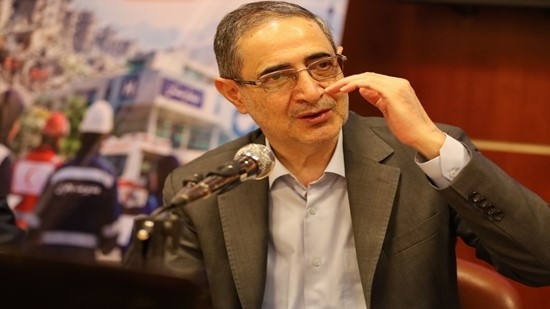
According to a report by the University's Web-Day reporter, Dr. Hassan Emami Razavi, Advisor to the Minister and Head of the Secretariat of the Supreme Council for Health and Food Security of the Ministry of Health, Treatment, and Medical Education, during the seminar on Challenges and Executive Solutions for the Comprehensive Risk Management Document for Accidents and Disasters in the Health System held at the University of Social Welfare and Rehabilitation Sciences, emphasized the importance of aligning executive decisions and preventing the overlap of duties among various organizations during a crisis, stating: The preparation of this document has been accompanied by many fluctuations, and with its unveiling, we can witness the formation of positive trends in the field of crisis management.
The Advisor to the Minister of Health added: During this specialized meeting, important discussions were raised regarding executive challenges in crisis management. One of the key points emphasized was the necessity of having a unified structure and coordinated decisions at the level of responsible organizations. Based on this view, in crisis management, organizations' decisions must not be allowed to conflict with one another; rather, from the very beginning, agents and officials in all relevant sectors (both staff and operational) must act based on a single and coordinated guideline to avoid issues such as lack of coordination and waste of time when an accident occurs.
He said: Additionally, the topic of specialized expertise in the field of health management during disasters was addressed in this meeting. Given the training of high-level specialists in the field of health management in disasters, it was emphasized that these expert forces must be placed in appropriate positions within the core of executive organizations to apply their knowledge and skills in real operations.
Dr. Emami Razavi added: Finally, the lack of coordination between pre-hospital sectors and hospital emergency departments was also raised as a point requiring reform in the crisis management structure. To achieve cohesive management, it was decided to prevent overlapping duties among institutions and design a decision-making hierarchy so that all organizations (including the Ministry of Health and related entities) move in a single direction, with complete alignment in incident management.
In conclusion, he described the University of Social Welfare and Rehabilitation Sciences as the Ministry of Health's intellectual arm in the field of risk management for accidents and disasters within the health system, saying: The health system makes decisions based on evidence, and in this path, the Health Research Center in Accidents and Disasters undertakes this important task; we hope to witness good results through the implementation of this document.

نظر دهید